Universal Joints
Rokee is a manufacturer of universal joints from china, we can provide non-standard custom universal joints based on parameters or drawings supplied by customers, with export support available.
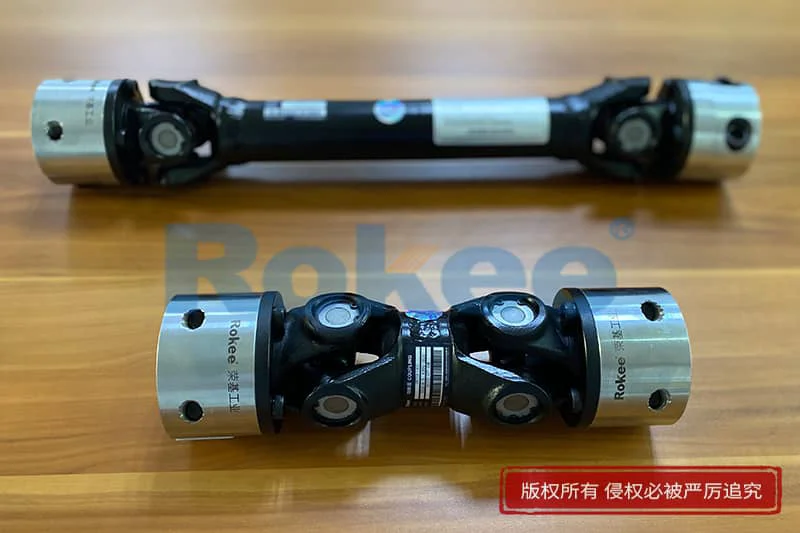
In the intricate ecosystem of mechanical transmission systems, few components embody the perfect balance of flexibility and reliability as profoundly as the universal joint. A fundamental mechanical coupling designed to bridge misaligned rotating shafts, the universal joint serves as an indispensable link in countless power transmission setups, enabling the seamless transfer of torque and rotational motion where rigid shaft connections are impractical or entirely unfeasible. Often referred to as a Cardan joint or Hooke’s joint in technical academia, this humble yet sophisticated mechanical element has underpinned the development of mobile machinery, industrial equipment, and automotive engineering for centuries, evolving from rudimentary mechanical designs to precision-engineered components that meet the rigorous demands of modern industrial and mobility systems. Its core functionality lies in its ability to accommodate angular misalignment between driving and driven shafts, as well as minor axial and radial displacements generated during equipment operation, making it a cornerstone of adaptive power transmission technology.
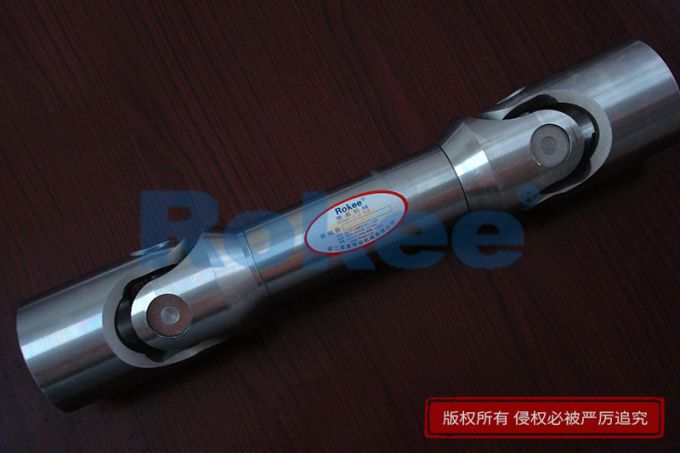
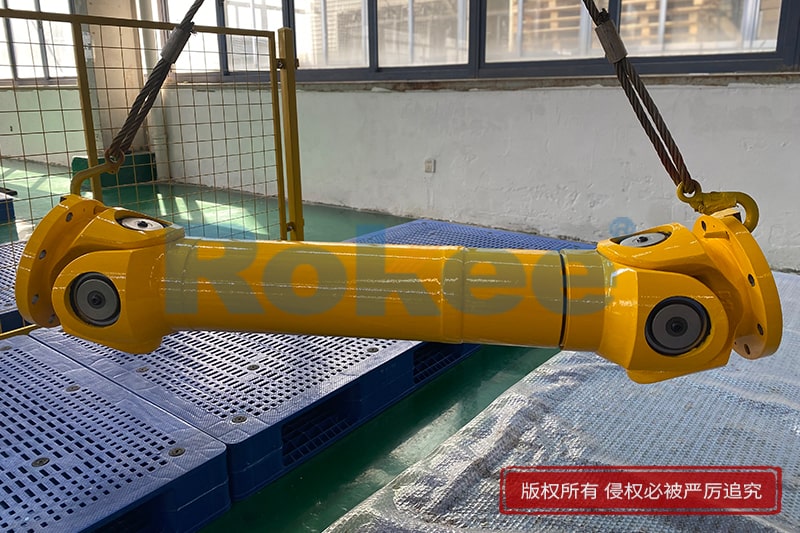
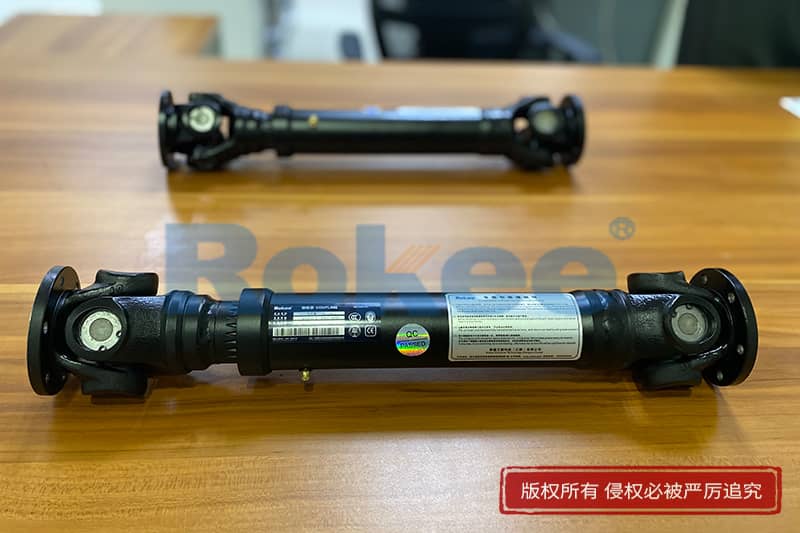
To understand the operational logic of a universal joint, it is essential to first dissect its inherent structural composition, a streamlined and highly coordinated assembly that delivers exceptional mechanical performance through precise component cooperation. The basic configuration of a standard cross-type universal joint, the most widely adopted variant across industries, consists of three core functional parts: a pair of fork-shaped yokes and a central cruciform spider, complemented by high-precision auxiliary bearing and sealing components. The two yokes, categorized as driving and driven yokes respectively, are fixedly connected to the input and output shafts of a transmission system, acting as the connection interface between the joint and external mechanical structures. Positioned between the two yokes, the cruciform spider functions as the central pivot hub, with four symmetrically arranged trunnions that extend into the bearing cavities of the yoke ends. Each trunnion is fitted with a set of needle roller bearings enclosed in hardened steel bearing cups, which effectively reduce frictional resistance during rotational movement and prevent direct metal-to-metal contact between the spider and yokes. Auxiliary structures including rubber grease seals and grease fittings further optimize the component’s durability, with seals isolating internal moving parts from external dust, moisture, and corrosive contaminants, while grease channels ensure continuous lubrication of friction interfaces during long-term operation.
The working principle of the universal joint revolves around spatial rotational deflection and adaptive torque transmission, a mechanical mechanism that distinguishes it from rigid couplings. Unlike fixed shaft connections that require strict coaxial alignment, the universal joint allows the driving shaft and driven shaft to form a certain included angle, known as the working angle, during operation. As the driving shaft rotates, the rotational force is transmitted to the cruciform spider through the driving yoke, and the spider subsequently drives the driven yoke and the connected driven shaft to rotate synchronously. The unique cross-shaped structure of the spider enables independent pivoting movement around two mutually perpendicular axes, which offsets the spatial angle deviation between the two shafts and maintains uninterrupted power transmission. A key mechanical characteristic of a single universal joint is its periodic speed fluctuation during operation. When operating at a fixed working angle, the instantaneous rotational speed of the driven shaft fluctuates twice per rotation cycle, resulting in non-uniform motion output. This inherent kinematic feature may generate mechanical vibration and torque pulsation under high-speed or high-load operating conditions, a limitation that has driven the iterative optimization of universal joint designs and assembly methods in engineering applications.
To mitigate the speed fluctuation defect of single universal joints, engineering practice universally adopts the dual-joint transmission configuration, a mature and efficient solution that balances motion output while retaining the flexible connection advantage. By installing two universal joints in series on the same transmission shaft and adjusting the installation angle and phase position of the two joints to meet specific geometric matching conditions, the speed fluctuation generated by the first joint can be completely offset by the second joint. This symmetric assembly mode achieves constant-speed synchronous rotation of the input and output ends, eliminating vibration, impact, and power loss caused by non-uniform motion. This optimized assembly principle has become the core design standard for most medium and high-power transmission systems, laying a solid foundation for the stable application of universal joints in high-speed operating equipment. Beyond the traditional cross-type structure, the continuous advancement of mechanical engineering has spawned multiple specialized universal joint variants, each tailored to distinct operating scenarios and performance requirements, enriching the application boundary of flexible transmission technology.
Constant velocity universal joints, commonly known as CV joints, represent an upgraded iteration of traditional universal joint technology, designed to fundamentally solve the speed fluctuation problem of basic structures. Adopting a ball-and-socket or ball-track transmission structure instead of the traditional cross spider, CV joints use precision steel balls rolling in specially designed raceways to transmit torque. This structural innovation enables the joint to maintain consistent instantaneous rotational speed at any working angle, completely eliminating periodic motion pulsation. Featuring larger allowable working angles, smoother operation, and lower noise, CV joints are particularly suitable for high-speed, high-precision, and high-flexibility transmission scenarios, and have become a core component in automotive front-wheel drive systems and independent suspension transmission structures. In contrast, miniature universal joints with simplified structures are widely used in low-load, low-speed precision equipment such as instrument machinery and small automated devices, while heavy-duty reinforced universal joints with thickened structural components and enhanced bearing capacity are applied in large engineering machinery and agricultural equipment to withstand extreme torque and impact loads.
The extensive application of universal joints spans almost all fields involving mechanical power transmission with misalignment requirements, demonstrating irreplaceable practical value in industrial production, transportation, and agricultural machinery. In the automotive industry, universal joint assemblies constitute a key part of the vehicle transmission system, connecting the gearbox, drive axle, and chassis transmission shafts. As vehicles travel on uneven road surfaces, the chassis suspension continuously deforms and displaces, causing real-time changes in the relative position and angle between the front and rear transmission shafts. Universal joints adapt to these dynamic spatial changes in real time, ensuring stable power output from the engine to the wheels and avoiding transmission jamming or component damage caused by rigid connection constraints. For rear-wheel-drive and four-wheel-drive vehicles, series-installed universal joint groups on the transmission shaft effectively buffer road vibration and driving impact, improving the overall stability and comfort of vehicle operation.
In agricultural and engineering machinery, universal joints undertake heavier and more complex transmission tasks under harsh operating environments. Agricultural equipment such as tractors and harvesters often operates on uneven farmland, with frequent body jitter and shaft position deviation during working processes. The power take-off (PTO) shafts of these devices rely on heavy-duty universal joints to transmit power to working components such as tillers and harvesting mechanisms. The excellent angular compensation and impact resistance of universal joints ensure continuous and stable operation of agricultural machinery under complex terrain conditions, improving operational efficiency and equipment durability. Large-scale engineering machinery including excavators, loaders, and cranes also employs universal joint transmission structures in their walking and power output systems, adapting to the frequent deflection and displacement of mechanical arms and walking mechanisms during construction, and guaranteeing reliable power transmission under variable load conditions.
In general industrial machinery and automated production equipment, universal joints are widely used in conveyor systems, precision transmission devices, and mechanical transmission mechanisms of automated production lines. In industrial production scenarios, equipment installation errors, thermal expansion and contraction of components during long-term operation, and minor structural deformation caused by mechanical vibration will lead to slight misalignment between transmission shafts. Rigid couplings cannot adapt to these subtle deviations, which easily cause shaft bending, bearing wear, and increased equipment operating noise, and even lead to equipment failure in severe cases. The flexible compensation capability of universal joints effectively absorbs these installation and operation deviations, reduces assembly accuracy requirements for mechanical structures, lowers equipment operation failure rates, and extends the service life of the entire transmission system. In addition, universal joints are also applied in aerospace equipment, ship machinery, and special precision mechanical devices, playing a vital role in high-precision and high-reliability transmission scenarios through customized structural optimization and material upgrading.
Despite their simple structural form, universal joints face complex wear and failure mechanisms in long-term operation, and scientific maintenance and inspection are key to ensuring their stable performance and extending service life. The most common failure form of universal joints is friction wear of internal moving parts, mainly occurring on the spider trunnions, needle bearings, and raceway surfaces. Long-term torque transmission and rotational friction cause gradual abrasion of metal surfaces, increasing internal clearance of the joint, which leads to mechanical vibration, abnormal noise, and unstable power transmission. In harsh working environments with dust, moisture, or corrosive media, aging and damage of sealing structures will cause lubricant leakage and contaminant infiltration, accelerating component wear and even leading to rust and jamming of moving parts. In addition, long-term overload operation and excessive working angles will cause fatigue deformation and metal fatigue damage of structural components, resulting in reduced transmission accuracy and permanent failure of the joint.
Standardized maintenance practices can effectively avoid premature failure of universal joints and maintain consistent mechanical performance. Regular lubrication is the core of daily maintenance. For serviceable open-type universal joints, high-quality special lubricants should be injected at specified cycles to ensure full coverage of all friction surfaces, reduce metal friction resistance, and dissipate heat generated by high-speed operation. Sealed pre-lubricated universal joints adopt integrated sealing structures and do not require regular oil injection, but regular sealing integrity inspection is still needed to prevent lubricant deterioration and leakage. Routine visual and operational inspections should focus on checking for abnormal vibration, periodic noise, and loose connection clearance during equipment operation, which are intuitive signs of excessive internal wear of universal joints. Timely cleaning of surface dust and contaminants, avoidance of long-term overload operation and excessive deflection angles, and standardized equipment startup and shutdown procedures can effectively reduce the fatigue loss of universal joint components. When abnormal wear or structural damage is detected, timely replacement and calibration are required to prevent faulty components from affecting the overall operating state of the mechanical system and triggering larger equipment failures.
With the continuous progress of material science and precision manufacturing technology, universal joint technology is also undergoing continuous optimization and upgrading, moving toward high precision, high durability, low energy consumption, and lightweight development. Traditional universal joints are mostly made of ordinary alloy steel, while modern high-performance universal joints adopt high-strength forged alloy materials and surface strengthening processes such as quenching and tempering and surface carburizing, which significantly improve structural strength, wear resistance, and fatigue resistance. Precision machining technology ensures higher dimensional accuracy of component matching, reduces internal friction clearance, and lowers operating noise and energy loss. In recent years, with the rapid development of new energy equipment, intelligent machinery, and lightweight engineering, lightweight composite materials and optimized hollow structural designs have been gradually applied to universal joint manufacturing, reducing component weight while ensuring structural strength, improving equipment energy efficiency, and adapting to the energy-saving and lightweight development trend of modern mechanical equipment.
Intelligent and specialized design has also become an important development direction of universal joint technology. Customized universal joint products for extreme working environments such as high temperature, low temperature, high humidity, and strong corrosion have been continuously developed, meeting the special transmission needs of aerospace, marine engineering, and special industrial equipment. At the same time, combined with intelligent monitoring technology, some high-end universal joint components are equipped with wearable monitoring structures, which can real-time monitor operating parameters such as component wear degree, operating temperature, and rotational vibration, realizing predictive maintenance of components and further improving the safety and reliability of mechanical system operation.
As a classic mechanical basic component that has been developed and optimized for hundreds of years, the universal joint has never been eliminated by technological iteration, but has continuously derived new application values with the progress of mechanical engineering. Its core value lies in solving the universal mechanical problem of misaligned shaft power transmission, providing a simple, efficient, and reliable flexible transmission solution for various mechanical systems. From traditional industrial machinery and transportation equipment to modern intelligent manufacturing and high-end precision equipment, universal joints always undertake the basic transmission task, serving as an invisible bridge for mechanical power transmission. In the future, with the continuous upgrading of mechanical equipment toward high efficiency, intelligence, and extreme working condition adaptation, universal joint technology will continue to make breakthroughs in material innovation, structural optimization, and intelligent matching, providing more solid basic support for the development of modern mechanical engineering.
« Universal Joints » Update Date: 2026/7/15
Contact
If you require custom machined couplings, please contact Rokee via the contact information below for inquiries.
Email: https://www.gshmdpq.com
 WeChat