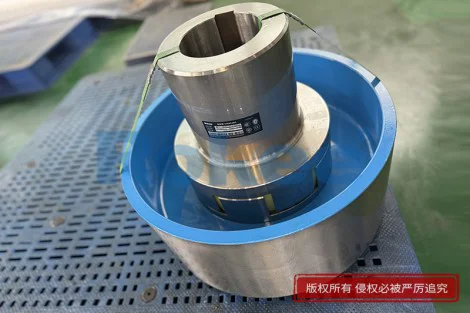
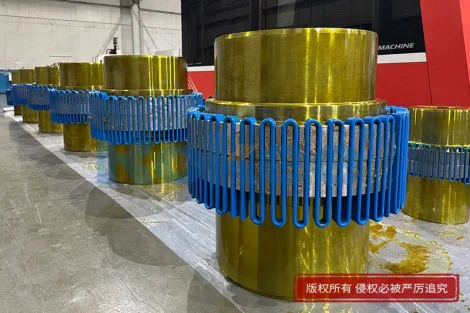
Jaw Flexible Coupling
Rokee is a manufacturer of jaw flexible coupling from china, we can provide non-standard custom jaw flexible coupling based on parameters or drawings supplied by customers, with export support available.
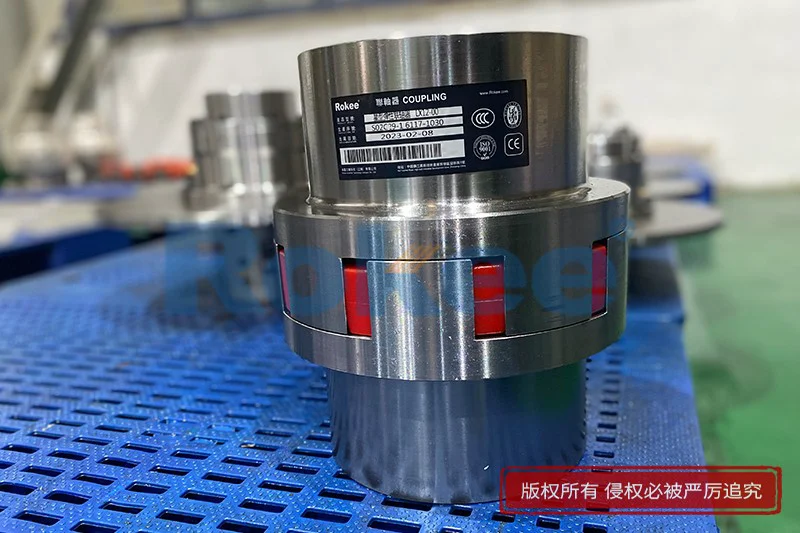
In the complex and precise mechanical transmission systems that underpin modern industrial manufacturing, automated production, and precision engineering equipment, the stability of shaft connection directly determines the overall operational efficiency, service life, and operational safety of mechanical equipment. As a classic and widely adopted flexible transmission component, jaw flexible coupling has become an indispensable core part of medium and low-speed torque transmission systems by virtue of its unique mechanical structure, excellent elastic buffering performance and reliable fault-tolerant design. Unlike rigid couplings that pursue absolute rigid connection and zero displacement, jaw flexible coupling balances rigid torque transmission and flexible mechanical compensation, solving many common pain points in traditional shaft connection such as installation deviation, operational vibration, impact load and electrical conduction interference. With the continuous upgrading of industrial equipment towards high precision, high stability and low maintenance, the application scenarios and technical value of jaw flexible coupling are constantly expanding, becoming a key guarantee for the stable operation of various mechanical transmission systems.
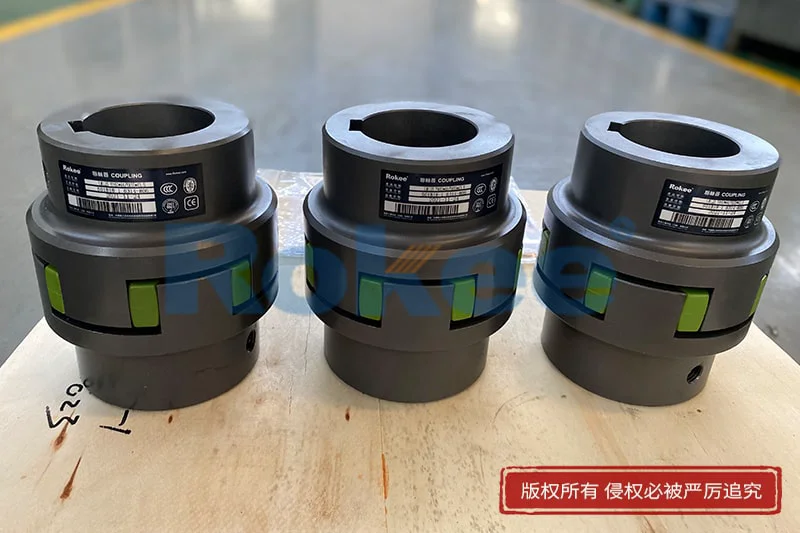
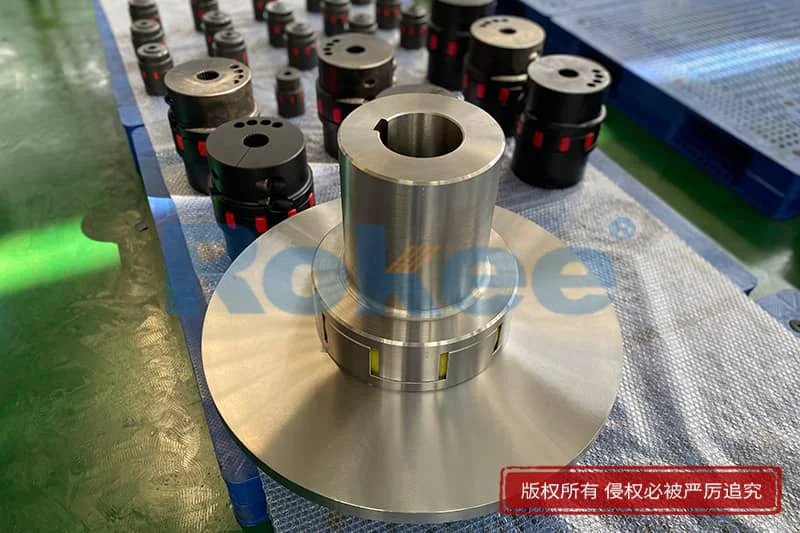
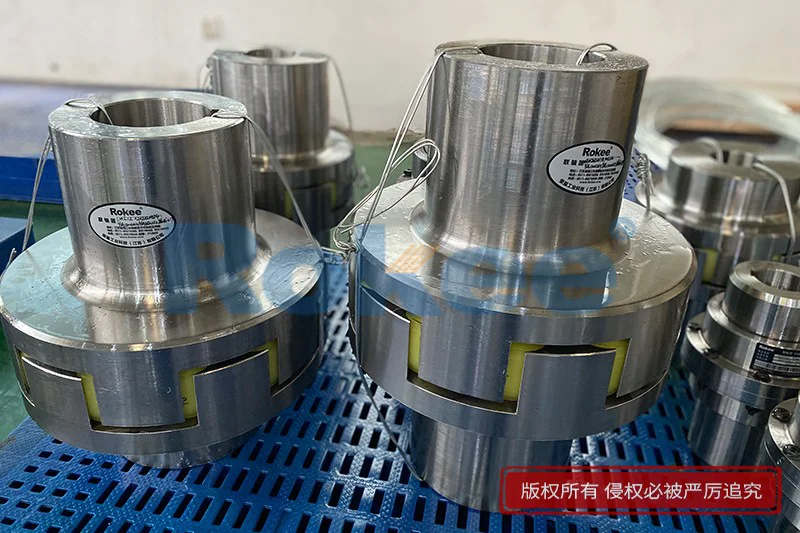
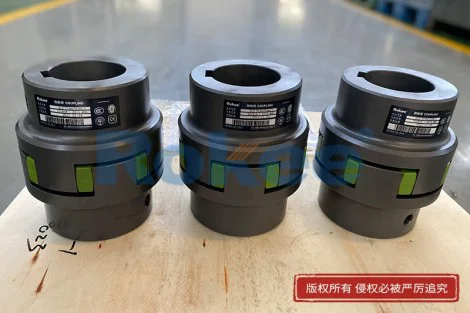
The basic structural composition of jaw flexible coupling is simple and ingenious, abandoning the complex multi-part assembly design of many high-end flexible couplings, and realizing integrated transmission with minimal components, which also lays the foundation for its wide applicability and low maintenance characteristics. The entire coupling system is mainly composed of two symmetrical metal hubs and an intermediate elastomer spacer, which is often called a spider element due to its special star-shaped or petal-shaped structure. The metal hubs are processed with evenly distributed claw-shaped tooth structures, and the claw teeth of the two hubs are arranged in a staggered and meshed state during installation. The elastomer spacer is embedded in the gap between the staggered claw teeth, forming a flexible force-transmission medium between the driving hub and the driven hub. This structural design completely avoids direct metal-to-metal contact between the two rotating hubs in the working state, and all torque transmission is completed through the elastic compression and rebound deformation of the intermediate polymer elastomer, which is the core structural basis for its flexible transmission and vibration damping function.
The working principle of jaw coupling is derived from the organic combination of mechanical meshing transmission and elastic material deformation mechanics. In the operating state of mechanical equipment, the driving shaft drives the connected metal hub to rotate synchronously, and the claw teeth on the driving hub continuously apply uniform compression load to the protruding parts of the intermediate elastomer spacer. Under the action of compression force, the elastomer undergoes controllable elastic deformation, and the deformed elastomer transmits the torque to the claw teeth of the driven hub through elastic reaction force, thereby driving the driven shaft to rotate synchronously and realizing the power transmission of the entire mechanical system. In this process, the elastic deformation of the polymer material is not only a medium for torque transmission, but also an effective buffer barrier for mechanical vibration and impact. When the equipment starts, stops, or bears sudden variable loads, the instantaneous impact force generated by torque fluctuation will be absorbed and dissipated by the elastic deformation of the spacer, avoiding the direct transmission of rigid impact to the shaft, bearing and equipment body. At the same time, the gap reserved by the staggered claw tooth structure and the elastic tolerance of the elastomer can automatically compensate for various minor shaft misalignments generated during equipment installation and operation.
Shaft misalignment is an unavoidable problem in mechanical equipment assembly and long-term operation, and it is also one of the main causes of equipment wear, vibration and noise. Jaw flexible coupling can adapt to three common types of shaft misalignment in industrial scenarios, including axial misalignment, radial parallel misalignment and angular misalignment, as well as composite misalignment formed by the superposition of multiple deviations. Axial misalignment usually comes from the thermal expansion and contraction of the shaft during equipment operation and the reserved assembly gap during installation; radial misalignment is caused by minor position deviation during equipment fixing and bolt fastening; angular misalignment is formed by the slight inclination of the two connected shafts. The elastic spacer of jaw flexible coupling can produce adaptive micro-deformation according to different deviation types, without generating additional bending stress and shear stress on the shaft system. This passive compensation function does not require manual intervention and real-time adjustment, which can effectively reduce the running resistance of the transmission system, reduce the friction loss of bearings and seals, and greatly extend the service life of the entire transmission equipment.
In addition to the core misalignment compensation and vibration damping functions, jaw flexible coupling has a unique fail-safe mechanical design, which is an important reason why it is favored in industrial equipment with high operational stability requirements. When the equipment operates under extreme working conditions such as long-term overload, high-frequency impact or excessive rotational speed, the intermediate elastomer spacer may be worn, aged or even damaged and failed due to long-term fatigue load. However, due to the staggered meshing structure of the metal claw teeth of the two hubs, after the failure of the elastomer, the metal claw teeth can still mesh with each other to realize temporary rigid torque transmission. Although the flexible buffering and vibration damping function is lost at this time, the continuous operation of the equipment will not be interrupted instantly, which provides valuable buffer time for equipment maintenance, fault inspection and shutdown adjustment. This fail-safe design effectively avoids sudden shutdown failures of production equipment, reduces the risk of production interruption and equipment damage caused by sudden coupling failure, and greatly improves the operational safety and stability of continuous production systems.
Material selection is the key factor that determines the service performance, application scope and service life of jaw flexible coupling. The metal hub materials are mostly high-strength aluminum alloy, cast iron and carbon steel, with different material characteristics adapting to different working conditions. Aluminum alloy hubs have the advantages of light weight, high precision, low inertia and good corrosion resistance, and are mostly used in high-speed, low-load and precision automation equipment, which can effectively reduce the rotational inertia of the transmission system and improve the response sensitivity of equipment operation. Cast iron and carbon steel hubs have higher structural strength, pressure resistance and torsional resistance, and are suitable for heavy-load, low-speed and high-impact industrial scenarios, with stronger bearing capacity and structural stability. The intermediate elastomer spacer is mostly made of polymer materials such as polyurethane, rubber and nylon, and different elastomer materials show different functional characteristics. Polyurethane materials have excellent wear resistance, high elasticity and oil resistance, with strong fatigue resistance under long-term cyclic load, and are the most widely used spacer materials in industrial scenarios. Rubber materials have better vibration damping and noise reduction effects, suitable for equipment scenarios with strict requirements on operational noise and vibration. Nylon materials have high temperature resistance and low friction characteristics, and can maintain stable performance in high-temperature and dry working environments.
Compared with other types of flexible couplings in the industrial market, jaw flexible coupling has comprehensive competitive advantages in structural design, use cost and maintenance performance. Diaphragm couplings and gear couplings have high transmission precision and heavy-load bearing capacity, but their structural design is complex, requiring regular lubrication and maintenance, with high installation and maintenance costs, and they are not suitable for conventional medium and low-load transmission scenarios. Spring couplings and bellows couplings have good flexibility, but their structural stability is poor, they are easy to deform under overload conditions, and their fail-safe performance is insufficient. In contrast, jaw flexible coupling has a compact and simple overall structure, small axial and radial installation size, and high space utilization rate, which is suitable for equipment with limited installation space. The entire coupling does not need lubrication during operation, eliminating the maintenance links of oil injection and oil change, reducing daily operation and maintenance costs. At the same time, the disassembly and assembly process is extremely simple, and the replacement of worn elastomer spacers can be completed without moving the connected equipment and adjusting the shaft position, which greatly improves the efficiency of equipment maintenance and reduces downtime loss.
Jaw flexible coupling also has excellent electrical insulation performance, which is a hidden core advantage that is easily overlooked in practical applications. Since the two metal hubs are completely isolated by the intermediate non-conductive polymer elastomer, no metal conduction loop is formed between the driving shaft and the driven shaft. This structural characteristic can effectively block the transmission of stray current and static electricity in the mechanical system, avoid the electrical corrosion of shaft parts, bearings and precision electronic components caused by current leakage, and protect the precision electrical control system of automated equipment. In electromechanical integration equipment, servo transmission systems and precision testing equipment, electrical interference and static conduction will affect the operational precision and signal stability of the equipment. The natural insulation performance of jaw flexible coupling can effectively solve this problem, ensuring the stable operation of precision electromechanical systems.
In terms of industrial application scenarios, jaw flexible coupling has extremely high universality, covering almost all conventional medium and low-speed mechanical transmission fields. In automated production equipment such as conveyor lines, sorting machines and packaging machines, it adapts to frequent start-stop and variable-load operation conditions, absorbs operational vibration, ensures the stable transmission of power, and guarantees the precise operation of automated production lines. In pump and fan equipment in chemical, environmental protection and HVAC industries, it compensates for the shaft misalignment caused by equipment vibration and thermal deformation, reduces the operating noise and vibration of the equipment, and extends the service life of fluid transmission equipment. In precision processing equipment such as machine tools and linear motion modules, its low inertia and high-precision transmission characteristics ensure the positioning accuracy and operation stability of the equipment, avoiding processing errors caused by transmission vibration. In addition, it is also widely used in agricultural machinery, construction machinery, logistics transmission equipment and general industrial transmission equipment, becoming a universal transmission component for industrial mechanical connection.
Although jaw flexible coupling has excellent comprehensive performance, its service performance and service life are affected by working conditions, installation accuracy and later maintenance in practical application. In high-temperature, high-humidity and corrosive working environments, the aging speed of the elastomer spacer will be accelerated, and the elasticity and wear resistance will decrease, so it is necessary to select special modified elastomer materials adapted to extreme environments. In heavy-load and high-frequency impact working conditions, long-term fatigue load will cause irreversible deformation and wear of the elastomer, so regular inspection and replacement of vulnerable parts are required to avoid transmission failure caused by spacer failure. In terms of installation, excessive misalignment beyond the adaptive range of the coupling will increase the operating load of the elastomer, accelerate wear and failure, so standard installation and debugging are the premise to ensure the long-term stable operation of the coupling.
With the continuous development of industrial intelligence and precision manufacturing technology, the technical iteration of jaw flexible coupling is also ongoing. Modern industrial production puts forward higher requirements for the precision, durability and environmental adaptability of transmission components. Through material modification and structural optimization, the performance of jaw flexible coupling is continuously improved. New composite elastomer materials have better high and low temperature resistance, fatigue resistance and corrosion resistance, expanding the application boundary of the coupling in extreme working conditions. Optimized claw tooth structure design makes the force of the elastomer more uniform, improves torque transmission efficiency, and reduces local stress concentration and wear. At the same time, with the development of lightweight and miniaturized equipment, the lightweight design of high-strength alloy materials further improves the dynamic performance of the coupling, adapting to the high-speed and high-precision operation requirements of modern intelligent equipment.
In the entire industrial mechanical transmission system, seemingly ordinary jaw flexible coupling undertakes the important task of connecting power transmission, buffering mechanical impact, compensating installation deviation and protecting equipment components. Its simple and reliable structural design, efficient flexible transmission performance, low maintenance cost and wide application adaptability make it an irreplaceable basic component in the field of industrial transmission. It is not only a connecting part between mechanical shafts, but also a mechanical buffer and fault protection device for the entire transmission system, which effectively reduces the failure rate of mechanical equipment, reduces production and maintenance costs, and improves the overall operational efficiency of industrial production. In the future, with the continuous upgrading of industrial manufacturing technology and the continuous expansion of application scenarios, jaw flexible coupling will continue to exert its core advantages, realize performance optimization and scenario expansion in more sophisticated industrial fields, and provide more stable and reliable basic support for the development of modern mechanical transmission technology.
« Jaw Flexible Coupling » Update Date: 2026/7/16
Contact
If you require custom machined couplings, please contact Rokee via the contact information below for inquiries.
Email: https://www.gshmdpq.com
 WeChat