Flex Motor Coupling
Rokee is a manufacturer of flex motor coupling from china, we can provide non-standard custom flex motor coupling based on parameters or drawings supplied by customers, with export support available.
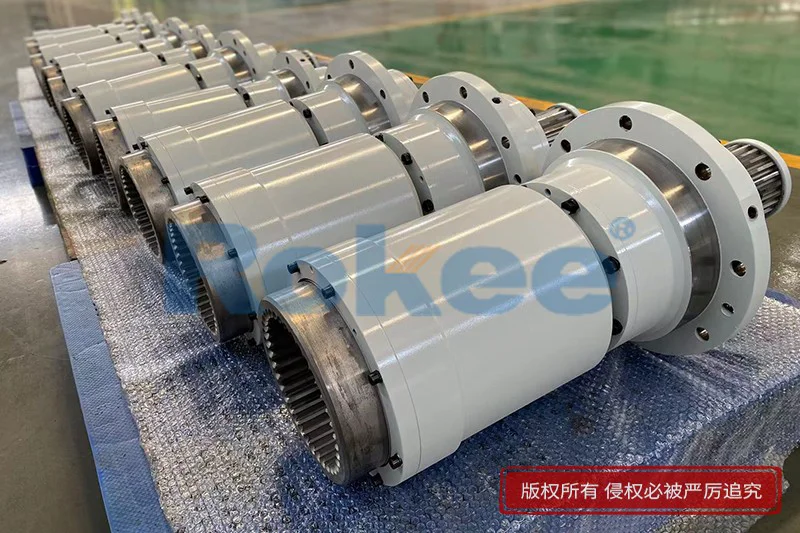
In modern mechanical transmission systems, the stability, precision and service life of equipment operation largely depend on the performance of basic connecting components, among which flex motor couplings stand out as an indispensable core part of power transmission structures. Serving as a key mechanical component that connects driving and driven shafts, flex motor couplings undertake the fundamental task of transmitting torque and rotational motion while solving various assembly and operation defects that rigid connection structures cannot avoid. In complex industrial operating environments, mechanical equipment inevitably encounters minor shaft misalignment, vibration impact, thermal expansion displacement and load fluctuation during start-stop and operation processes. Rigid connection methods will directly transfer these adverse factors to the entire transmission system, causing excessive bearing wear, shaft deformation, transmission noise and even sudden equipment failure. Flex motor couplings perfectly make up for the shortcomings of rigid connections through their unique elastic deformation characteristics and flexible structural design, becoming a reliable guarantee for the long-term stable operation of various motor-driven mechanical systems.
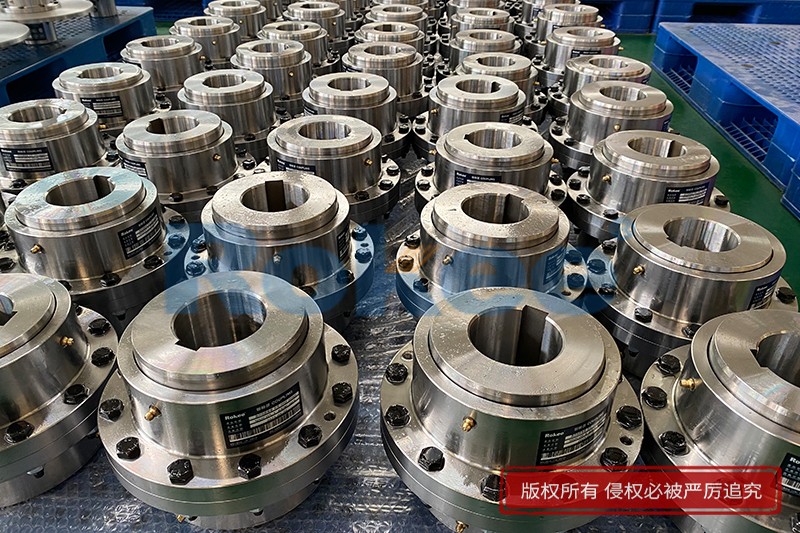
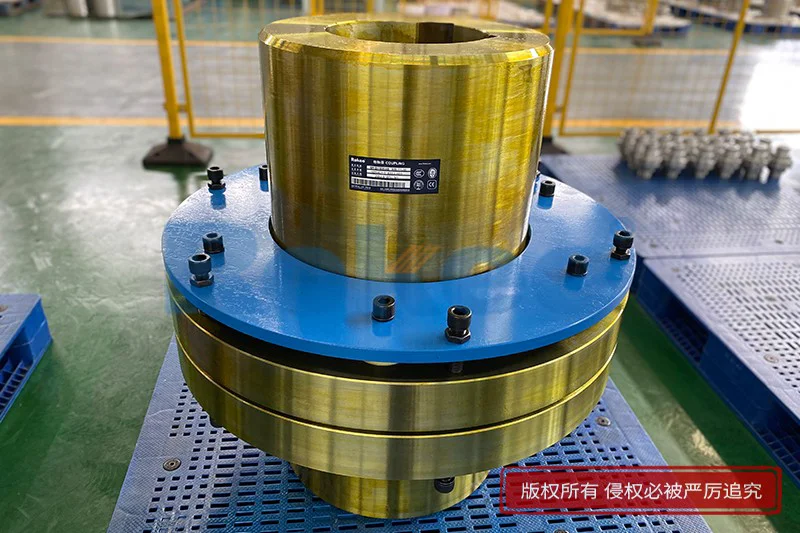
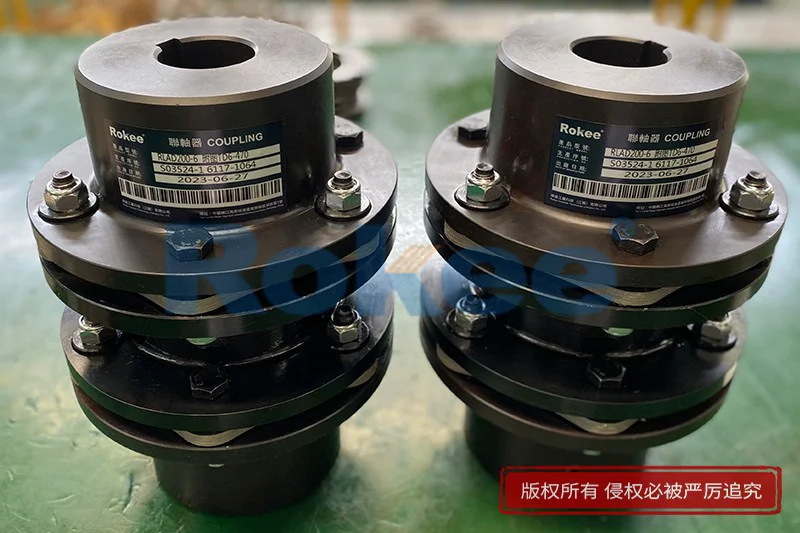
The core working logic of flex motor couplings lies in the compliant deformation of flexible components. Different from rigid couplings that rely on fully fixed hard connection to transmit power, flex motor couplings are equipped with elastic or movable flexible structures between the two connecting hubs. In the process of motor operation and torque transmission, these flexible elements can produce tiny, reversible elastic deformation or mechanical displacement according to the actual operating state of the equipment. This special working mode enables the coupling to maintain continuous and efficient torque transmission without generating excessive reaction force on motor bearings and driven equipment components. From the perspective of mechanical kinematics, flex motor couplings add effective degrees of freedom to the transmission system, allowing the connected two shafts to produce subtle relative displacement within a reasonable range, which fundamentally avoids the mechanical stress concentration and rigid friction caused by assembly errors and operational deviations.
In actual mechanical assembly, absolute coaxiality of driving and driven shafts is almost impossible to achieve. Even with high-precision processing and assembly technology, there will inevitably be three types of misalignment deviations: angular misalignment where the two shafts form a tiny included angle, parallel offset misalignment where the shaft centers are staggered horizontally, and axial displacement caused by equipment assembly gaps and thermal expansion. These subtle deviations that are difficult to observe with the naked eye will be continuously amplified with the high-speed operation of the motor, forming periodic alternating stress on the shaft system and bearings. Flex motor couplings can effectively compensate for the three-dimensional misalignment deviations through the deformation characteristics of their internal flexible materials or structures. The elastic elements inside the coupling will compress and release periodically with the rotation of the shaft, absorbing the offset stress generated by misalignment, so that the torque can be transmitted smoothly and evenly, and the impact of assembly errors on the transmission system is minimized throughout the equipment operation cycle.
Vibration and shock absorption is another core functional advantage of flex motor couplings. Most motor-driven equipment will produce instantaneous impact load during startup, shutdown and sudden load change. In addition, high-speed rotating machinery is prone to torsional vibration and mechanical resonance during long-term operation. These dynamic loads and vibration energies will cause severe fatigue damage to rigid transmission structures, accelerate the aging of mechanical parts, and reduce the overall operation accuracy of the equipment. The flexible components of flex motor couplings can convert instantaneous rigid impact force into elastic potential energy through self-deformation, and slowly release the energy in a stable state, thereby realizing effective damping and buffering. This energy conversion and absorption process can well suppress torsional vibration of the shaft system, isolate mechanical noise generated by vibration, and protect core components such as motor bearings, shafts and gear structures from impact damage. For high-precision mechanical systems that require stable operation, this vibration damping performance is crucial to maintaining long-term operational accuracy.
With the diversification of industrial application scenarios, flex motor couplings have derived a variety of structural forms adapted to different working conditions, each with unique performance characteristics and application orientations. Common flexible coupling structures include elastic jaw type, disc type, beam type, Oldham type and bellows type, all of which follow the flexible transmission principle but differ greatly in material selection and structural design. Jaw-type flexible couplings usually use elastic elastomer elements as the flexible medium, with the elastomer compressed and unloaded periodically during operation to achieve misalignment compensation and vibration damping. This structure is simple in design, good in shock absorption, and suitable for medium and low-speed transmission scenarios with frequent start-stop and large load fluctuation. Disc-type flexible couplings adopt stacked stainless steel thin plates as flexible components, relying on the S-shaped bending deformation of the thin plates to compensate for shaft misalignment. They feature high structural rigidity, small deformation, excellent high-speed stability and torque transmission accuracy, and are widely used in high-speed and high-precision transmission fields.
Beam-type flexible couplings are mostly processed from a single high-strength aluminum alloy or stainless steel material with integrated spiral or straight groove structures. The slotted structure forms a flexible deformation zone, which can realize ultra-small inertia torque transmission, with extremely high rotation symmetry and position accuracy. This type of coupling is very suitable for precision servo motors, stepping motors and micro transmission systems that require rapid response and precise positioning. Oldham flexible couplings rely on the sliding displacement of intermediate movable components to compensate for large parallel misalignment, with outstanding performance in solving horizontal offset of shafts, and are often used in medium-low speed transmission equipment with large assembly offset. Bellows flexible couplings adopt integrated bellows elastic structure, which can realize simultaneous compensation of angular, parallel and axial misalignment, with zero clearance transmission characteristics, no vibration hysteresis in operation, and irreplaceable advantages in ultra-precision transmission systems such as automated precision equipment and instrument motors.
Material selection is the key factor determining the comprehensive performance and service adaptability of flex motor couplings. The flexible core components and connecting hubs of couplings are made of different materials according to load conditions, speed levels and environmental requirements. Elastomer materials such as nitrile rubber and thermoplastic polyurethane are widely used in shock-absorbing flexible couplings, featuring good elasticity, strong wear resistance and excellent vibration absorption capacity, which can effectively buffer impact loads and reduce transmission noise. Metal flexible materials such as stainless steel sheets and alloy bellows have high strength, high temperature resistance and fatigue resistance, suitable for high-speed, high-temperature and high-load harsh working environments. The connecting hubs are mostly made of high-strength aluminum alloy, carbon steel or alloy steel. Aluminum alloy hubs have the advantages of light weight and low moment of inertia, which can reduce the dynamic load of motor operation, while steel hubs have higher structural rigidity and pressure resistance, meeting the torque transmission requirements of heavy-duty equipment.
Flex motor couplings have extremely wide application coverage in the entire industrial field, penetrating almost all mechanical scenarios driven by motors. In traditional industrial manufacturing, they are applied to supporting transmission structures of pumps, compressors, conveyors and machine tools, stabilizing the operation of mechanical equipment and reducing the failure rate of transmission parts caused by vibration and misalignment. In the field of precision manufacturing and automation equipment, flexible couplings provide high-precision and zero-clearance power transmission for servo motor systems, robotic joint transmission and CNC processing equipment, ensuring the positioning accuracy and motion stability of precision equipment. In the power generation industry, couplings connect turbines and generator sets, compensating the shaft displacement generated by thermal expansion during equipment operation and ensuring the continuous and stable output of power equipment.
In emerging technical fields such as new energy equipment, medical precision instruments and aerospace auxiliary equipment, the high stability, low noise and high precision characteristics of flex motor couplings are fully utilized. These fields have extremely strict requirements on equipment operation accuracy and operational stability, and tiny transmission errors or vibration interference will affect the overall performance of the equipment. The flexible transmission characteristics of couplings can eliminate micro-vibration and transmission deviation of the motor shaft system, ensuring the long-term reliable operation of high-precision equipment. In transportation equipment and engineering machinery, flexible couplings bear the complex dynamic load transmission under variable working conditions, effectively resisting impact and vibration generated by variable load operation, and improving the durability and environmental adaptability of engineering equipment.
Scientific selection and standardized maintenance are essential to give full play to the performance advantages of flex motor couplings and extend their service life. In the selection process, it is necessary to comprehensively consider key factors such as motor power, operating speed, load characteristics, shaft misalignment range and operating environment. For frequent start-stop, variable load and impact load working conditions, priority should be given to flexible couplings with good shock absorption and fatigue resistance; for high-speed and high-precision transmission scenarios, products with low inertia, high structural rigidity and zero clearance transmission should be selected; for special environments such as high temperature, low temperature and corrosive atmosphere, it is necessary to match couplings with corresponding temperature resistance and corrosion resistance materials.
Daily maintenance work mainly includes regular inspection of coupling operation status, checking for abnormal vibration, noise and displacement during equipment operation, and timely observing the aging, deformation and wear of internal flexible components. Elastomer flexible parts will gradually age and fatigue after long-term alternating load operation, and regular replacement is required to avoid transmission failure caused by elastic failure. Metal flexible structures need to be inspected for fatigue cracks and deformation to prevent structural damage under long-term high-load operation. At the same time, it is necessary to ensure the assembly accuracy of the coupling, control the shaft misalignment within the allowable range of the product, and avoid excessive deviation causing accelerated wear of flexible components and reduced transmission efficiency. Standardized installation and maintenance can not only maintain the efficient operation of the coupling, but also effectively protect the motor and supporting equipment, reducing the overall operating cost of the system.
With the continuous upgrading of industrial manufacturing technology and the gradual improvement of equipment precision and intelligence requirements, the technical iteration of flex motor couplings is also accelerating. Modern mechanical transmission systems are developing towards high speed, high precision, low energy consumption and long life, which puts forward higher requirements for the comprehensive performance of couplings. New high-elasticity and high-fatigue-resistant flexible materials, optimized topological structure design and ultra-precision processing technology are constantly applied to coupling manufacturing, making the products more adaptable to complex and extreme working conditions. At the same time, lightweight and integrated design has become an important development trend, which can effectively reduce the dynamic inertia of the transmission system, improve the response speed of motor operation, and meet the transmission needs of intelligent and automated precision equipment.
As a basic but vital mechanical component, flex motor couplings play an irreplaceable role in connecting motor power and mechanical execution structures. It solves many pain points in traditional rigid transmission, such as easy vibration, large impact and short service life of parts, and provides a stable and reliable basic guarantee for the safe and efficient operation of various mechanical equipment. In the future, with the continuous progress of industrial technology and the expansion of application scenarios, flex motor couplings will continue to complete technical upgrades and performance optimization, adapt to more diversified and high-standard mechanical transmission needs, and continuously empower the high-quality operation and innovative development of the modern mechanical manufacturing industry.
« Flex Motor Coupling » Update Date: 2026/7/16
Contact
If you require custom machined couplings, please contact Rokee via the contact information below for inquiries.
Email: https://www.gshmdpq.com
 WeChat