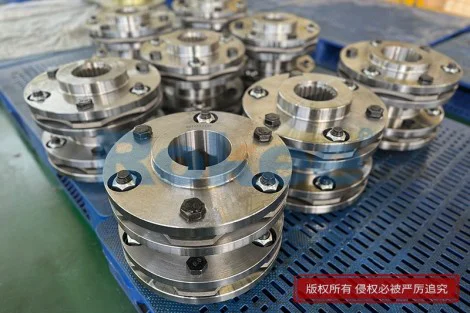
Internal Spline Shaft
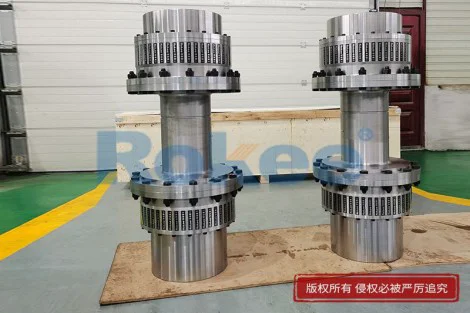
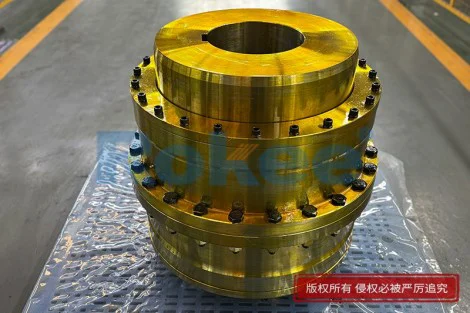
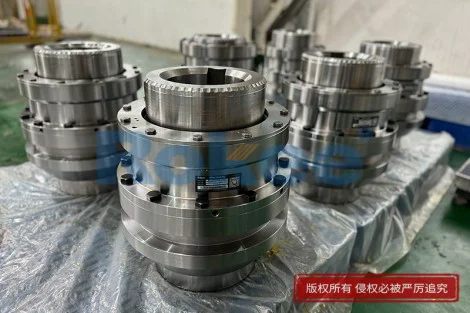
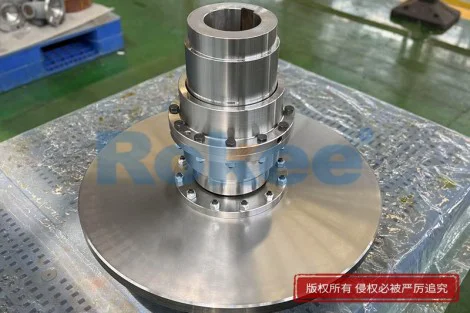
Rokee is a manufacturer of internal spline shaft from china, we can provide non-standard custom internal spline shaft based on parameters or drawings supplied by customers, with export support available.
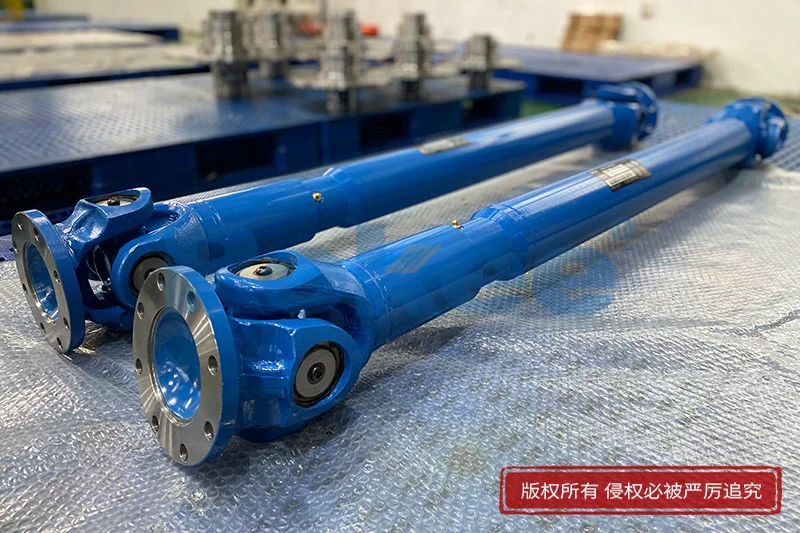
Internal spline shaft is a core mechanical transmission component featuring precision machined tooth grooves on the inner surface of its cylindrical body, which forms a tight meshing pair with external spline structures to realize stable torque transmission and accurate mechanical positioning. Unlike traditional key connection structures that rely on single-point force bearing, this component distributes mechanical load evenly through multiple tooth surfaces, effectively reducing local stress concentration and improving the overall stability and durability of mechanical transmission systems. It supports both fixed locking transmission and flexible axial sliding transmission, adapting to diverse mechanical operation scenarios that require synchronous rotation and linear displacement compensation. Widely applied in precision machinery, power transmission equipment and motion control systems, it stands out for its compact structure, high load capacity and low transmission loss, becoming an indispensable basic part for high-efficiency and high-precision mechanical operation in modern industrial manufacturing.
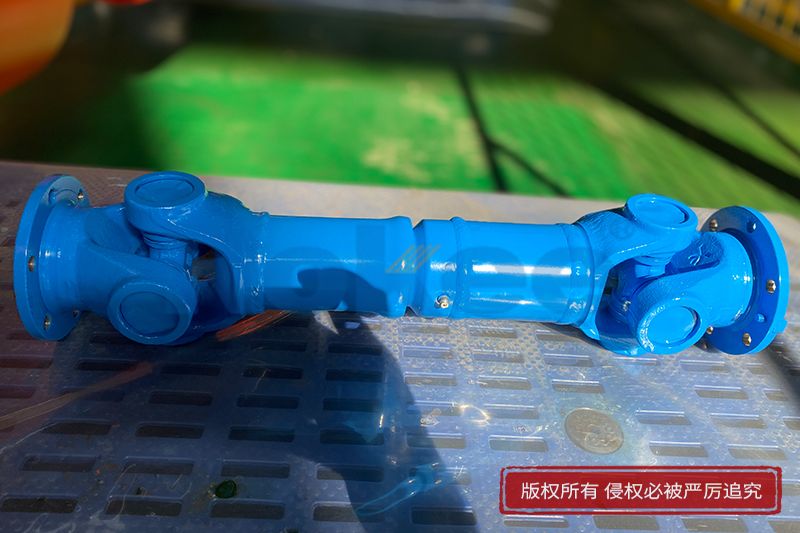
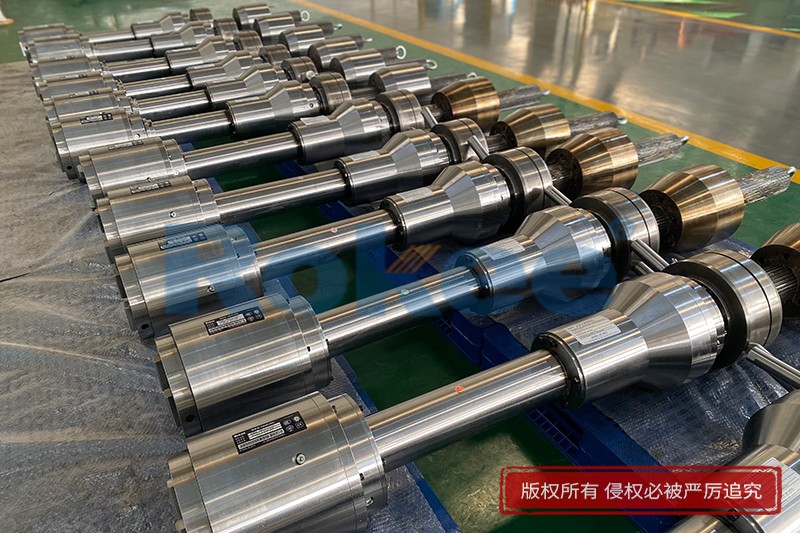
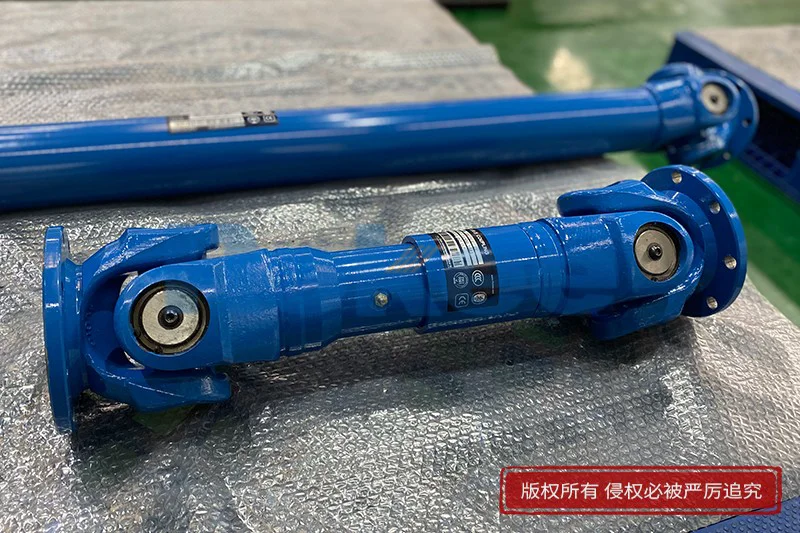
The structural design of internal spline shafts is the fundamental guarantee for their superior transmission performance, with every detail optimized for mechanical coordination and load bearing. The core structure consists of a cylindrical shaft body and evenly distributed internal spline teeth machined on the inner bore, where the tooth profile is mostly designed with involute curves, a mature geometric structure that enables smooth contact and uniform force distribution during meshing. The longitudinal spline teeth run parallel to the central axis of the shaft, ensuring consistent meshing accuracy in the full stroke of axial movement and avoiding angular deviation during rotation. The tooth flank, as the main load-bearing surface, bears most of the torque impact in operation, and its smooth curved design effectively buffers mechanical vibration and friction resistance. The overall structure abandons bulky auxiliary connecting parts, realizing integrated and compact layout, which saves installation space for mechanical equipment while maintaining high structural rigidity. This streamlined structural form not only simplifies the assembly process of transmission systems but also enhances the overall coordination of mechanical movement, laying a solid foundation for long-term stable operation of equipment under complex working conditions.
The working principle of internal spline shafts is based on positive mechanical meshing transmission, which fundamentally avoids the slippage and failure risks of friction-based transmission structures. When mechanical power is input, the internal spline teeth on the shaft body closely mesh with the matched external spline teeth, and the rotational torque is evenly transmitted through the contact surfaces of multiple tooth pairs. Different from single-key transmission that concentrates load on a single contact point, the multi-tooth meshing mode disperses torque pressure across the entire spline contact area, greatly improving the maximum load capacity of the transmission structure. In the working process, the precise fit between internal and external splines ensures strict synchronous rotation, maintaining zero angular deviation in power output and realizing high-precision motion transmission. Meanwhile, the parallel arrangement of spline teeth allows free axial sliding between the matching parts during rotation, which can effectively compensate for mechanical displacement errors caused by equipment operation, thermal expansion and assembly tolerances. This dual functional characteristic of synchronous rotation and flexible sliding makes it adaptable to dynamic working scenarios with frequent motion changes and complex stress conditions.
Compared with traditional transmission connecting structures, internal spline shafts possess prominent performance advantages in load bearing, stability and service life. In terms of load capacity, the multi-tooth uniform force-bearing structure enables it to bear far greater torque than ordinary key connection structures under the same shaft diameter specification, solving the problem of insufficient bearing capacity of traditional parts in high-power transmission scenarios. In terms of transmission stability, the involute tooth profile ensures smooth meshing engagement and separation, effectively reducing mechanical vibration, noise and impact wear during equipment operation, making the transmission process more stable and continuous. For structural durability, the uniform load distribution avoids local overstress and fatigue damage that easily occur in single-point connection structures, significantly extending the fatigue service life of parts under long-term cyclic operation. In addition, the internal spline structure is embedded inside the shaft body, which can effectively avoid external collision, abrasion and corrosion damage compared with exposed external splines, improving the environmental adaptability of the component and reducing the failure rate of mechanical transmission systems in harsh working environments.
Material selection and processing technology determine the comprehensive mechanical properties and service quality of internal spline shafts, and reasonable material matching and precision processing are the core links of component manufacturing. High-strength alloy materials are mostly selected for production, which have excellent tensile strength, hardness and wear resistance, and can maintain stable structural performance under high load, high speed and long-term operation. The raw materials need to undergo strict forging and heat treatment processes to refine the internal metal structure, eliminate internal stress, and improve the overall rigidity and toughness of the shaft body, preventing deformation and fracture during high-load transmission. In terms of spline processing, precision machining technologies are adopted to ensure the dimensional accuracy and tooth profile consistency of internal splines. Fine finishing is carried out on the tooth flank surface to reduce surface roughness, minimize friction and wear during meshing movement, and improve transmission efficiency. Every processing link from rough machining to finish machining strictly controls dimensional tolerance and concentricity error, ensuring the high-precision matching performance of internal splines and providing reliable structural support for efficient and stable mechanical transmission.
Internal spline shafts are widely used in various industrial fields that require high-precision and high-stability power transmission, covering multiple core mechanical application scenarios. In power transmission machinery, they serve as key connecting parts for power output and transmission components, realizing stable power transmission between driving and driven parts and meeting the operation requirements of high-power mechanical equipment. In precision motion control equipment, their precise meshing and positioning performance ensure the accuracy of mechanical motion trajectory, effectively avoiding motion deviation and position offset during equipment operation, which is crucial for precision processing and automated production equipment. In mobile mechanical equipment that requires telescopic compensation, the axial sliding function of internal spline structures can adapt to the displacement changes of mechanical parts during operation, solving the coordination problem of motion and power transmission of telescopic mechanisms. Whether in continuous operation industrial equipment with stable working conditions or dynamic operation equipment with frequent load changes, internal spline shafts can maintain excellent working performance, showing strong scene adaptability and industrial application value.
Daily maintenance and fault prevention are key to maintaining the long-term stable performance of internal spline shafts and extending their service life. In the daily operation process, regular lubrication maintenance is essential, and high-performance lubricants need to be applied to the spline meshing surfaces to reduce dry friction and abrasive wear between tooth surfaces, while forming a protective oil film to isolate dust, impurities and humid air and avoid corrosion and oxidation of the spline structure. It is necessary to regularly check the meshing state of internal splines, observe whether there are abnormal wear, tooth surface scratching, deformation and other problems, and timely eliminate tiny faults to prevent minor damage from expanding into structural failure. During equipment startup and operation, avoid sudden overload and impact load, because instantaneous excessive torque will cause excessive stress on spline teeth, resulting in plastic deformation and fatigue damage. In addition, keep the installation environment clean and tidy to prevent hard impurities from entering the meshing gap of splines, which may scratch the tooth surface and affect transmission accuracy. Standardized maintenance habits can effectively reduce component failure rate and ensure the long-term reliable operation of mechanical transmission systems.
With the continuous upgrading of modern industrial manufacturing technology, the performance optimization and technical innovation of internal spline shafts are also advancing steadily, showing broader development prospects. At present, the industry is constantly optimizing the spline tooth profile design and structural parameters, adopting more accurate geometric modeling to further improve the uniformity of load distribution and transmission efficiency, and adapt to the higher precision and higher load working requirements of emerging mechanical equipment. The continuous innovation of material modification and surface treatment technology enables internal spline shafts to have stronger wear resistance, corrosion resistance and high-temperature resistance, expanding their application range in extreme working environments such as high temperature, high humidity and strong corrosion. In addition, combined with precision intelligent processing technology, the dimensional accuracy and batch consistency of products have been greatly improved, which can better meet the supporting needs of intelligent and automated mechanical equipment. As the core basic transmission component, internal spline shafts will continue to iterate and upgrade with the development of industrial technology, providing more reliable and efficient technical support for the progress of modern mechanical manufacturing industry.
« Internal Spline Shaft » Update Date: 2026/8/5
Contact
If you require custom machined couplings, please contact Rokee via the contact information below for inquiries.
Email: https://www.gshmdpq.com
 WeChat