Rubber Flexible Coupling
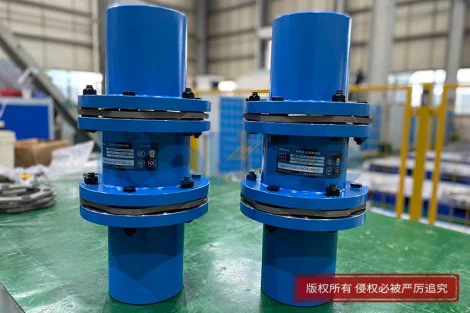
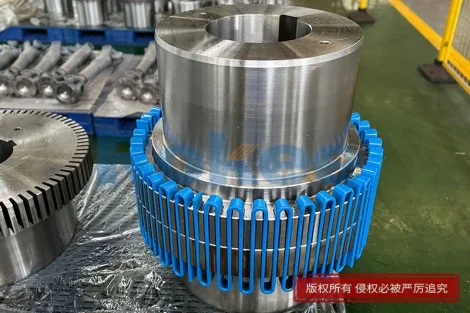
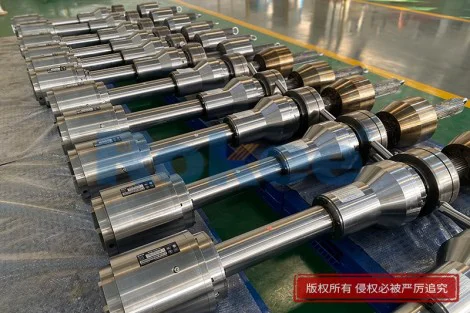
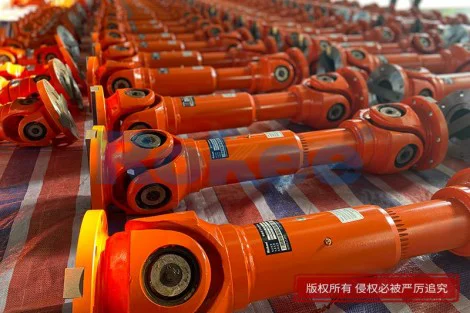
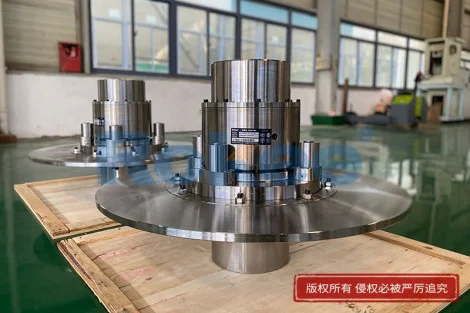
Rokee is a manufacturer of rubber flexible coupling from china, we can provide non-standard custom rubber flexible coupling based on parameters or drawings supplied by customers, with export support available.
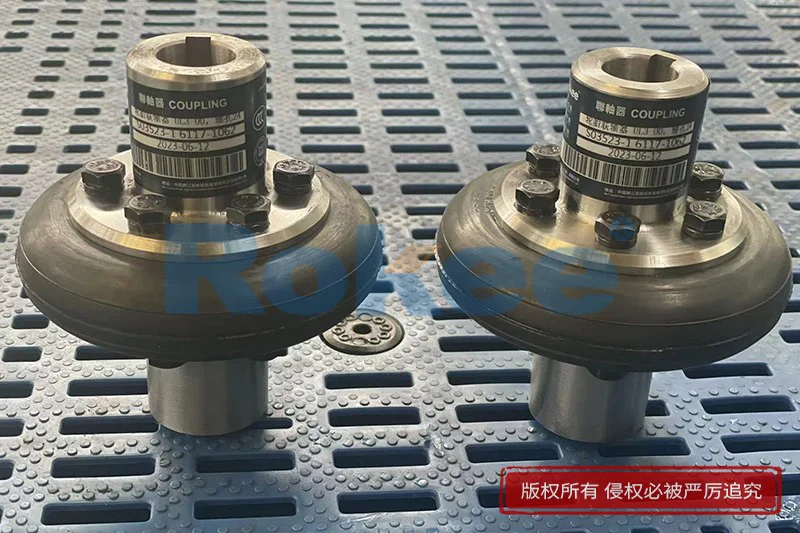
In the complex and dynamic operating environment of modern mechanical transmission systems, the stability, durability, and operational efficiency of connecting components directly determine the overall performance of mechanical equipment. Among various transmission connection parts, rubber flexible couplings have emerged as an indispensable core component of power transmission structures by virtue of their unique elastic deformation characteristics and comprehensive adaptive capabilities. Unlike rigid connecting parts that rely on hard contact and fixed connection for power transmission, rubber flexible couplings integrate metal structural components and high-elastic rubber functional materials, realizing flexible torque transmission while solving multiple pain points in mechanical operation such as shaft misalignment, mechanical vibration, impact load, and operational noise. With the continuous upgrading of mechanical manufacturing technology and the increasingly stringent operating requirements of industrial equipment, the application scope of rubber flexible couplings continues to expand, covering light industrial transmission, heavy machinery operation, fluid power equipment, and various automated production systems, becoming a key guarantee for the long-term stable operation of mechanical transmission chains.
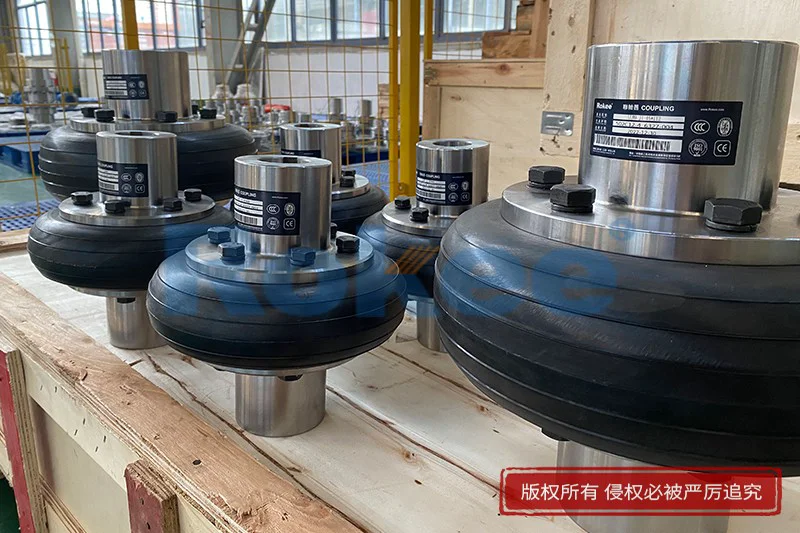
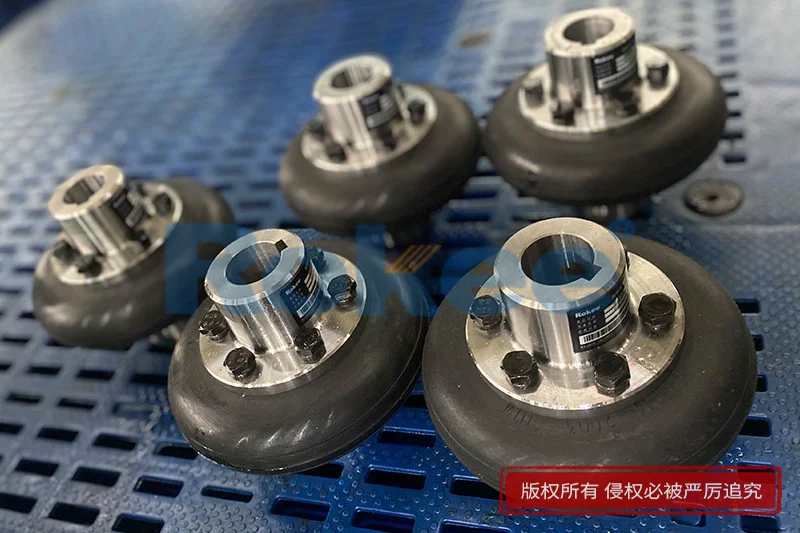
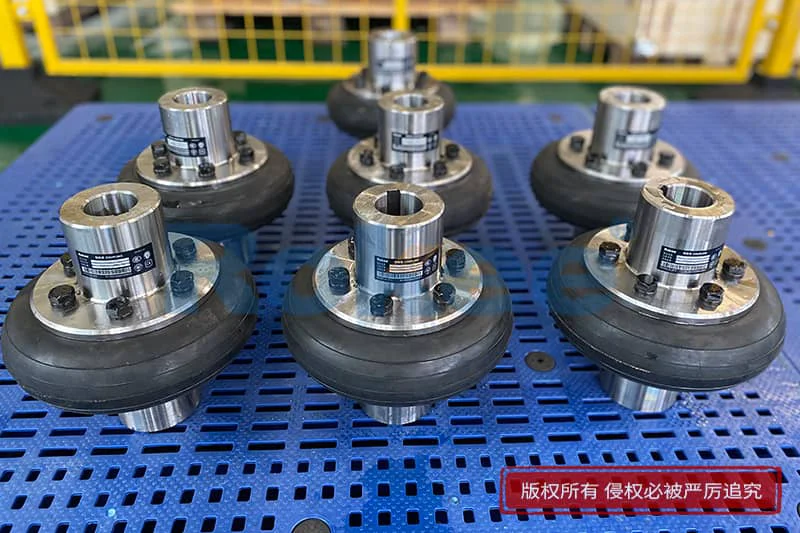
The basic structural composition and working principle of rubber flexible couplings lay the foundation for their excellent performance. The overall structure of this type of coupling is simple and compact, mainly composed of two metal hubs and an intermediate rubber elastic body. The metal hubs, as the rigid connecting parts, are respectively fixed on the driving shaft and the driven shaft of the equipment, undertaking the basic positioning and torque conduction tasks. The rubber elastic body clamped between the two hubs is the core functional component that distinguishes flexible couplings from rigid structures. In the daily operation of equipment, when the driving shaft rotates and outputs torque, the torque is transmitted to the rubber elastic body through the active metal hub, and the rubber material undergoes mild elastic deformation under uniform force. This elastic deformation process does not cause structural damage to the material, but converts rigid mechanical transmission into flexible buffer transmission, and the deformed rubber body then drives the driven metal hub and the connected driven equipment to operate synchronously, completing the entire power transmission process. This working mode based on elastic deformation fundamentally changes the force state of the transmission system, avoiding the rigid collision and hard friction between shaft parts that are inevitable in traditional rigid transmission structures.
One of the most prominent core performances of rubber flexible couplings is their excellent misalignment compensation capability. In the assembly and long-term operation of mechanical equipment, absolute coaxiality of the driving shaft and driven shaft is difficult to maintain consistently. Factors such as assembly errors, equipment foundation slight settlement, long-term operational mechanical fatigue, and thermal expansion and contraction of metal parts will lead to different degrees of relative displacement between the two connected shafts, including angular deviation, parallel offset, and axial displacement. For rigid couplings, these tiny misalignments will generate huge additional mechanical stress on the shaft, bearings and transmission components, resulting in accelerated wear of parts, increased operational resistance, and even equipment jamming and structural fracture in severe cases. In contrast, the high elasticity and toughness of the rubber medium enable the flexible coupling to adapt to these minor displacement changes in real time. The rubber elastic body can produce synchronous adaptive deformation according to the offset state of the shaft, offsetting the additional stress caused by misalignment, ensuring continuous and stable torque transmission, and avoiding abnormal load accumulation in the transmission system. This adaptive compensation feature greatly reduces the assembly precision requirements of mechanical equipment and tolerates minor structural changes during long-term operation, effectively extending the service life of the entire transmission system.
Vibration damping and noise reduction are also key advantages that make rubber flexible couplings widely favored in industrial transmission scenarios. Most mechanical equipment will produce periodic vibration and instantaneous impact load during startup, shutdown, variable-speed operation, and load switching. These mechanical vibrations and impact forces will propagate along the rigid shaft structure, causing resonance of the entire equipment system, aggravating the wear of precision parts, and generating continuous operational noise. The rubber material used in flexible couplings has good viscoelastic properties, which can effectively absorb and consume the kinetic energy of mechanical vibration and impact force. When impact load acts on the coupling, the rubber body undergoes reversible compression and stretching deformation, converting the instantaneous impact kinetic energy into elastic potential energy and dissipating part of the energy in the form of internal molecular friction, thereby weakening the vibration amplitude of the transmission system and blocking the transmission path of vibration and noise. In continuous operation, it can effectively suppress high-frequency vibration of the equipment, reduce the friction noise between transmission parts, and create a more stable and low-noise operating environment for mechanical equipment. This performance is particularly critical for precision mechanical equipment and industrial production lines that require low-vibration operation, as it can avoid precision deviation and component damage caused by long-term vibration.
In terms of structural design and installation and maintenance advantages, rubber flexible couplings have obvious practical value compared with other types of elastic couplings. The overall structural layout of the product is compact, with a short axial size, which can effectively save the installation space of mechanical equipment and is suitable for compact transmission structures with limited internal space of equipment. The installation and disassembly process is extremely simple, without the need for complex positioning tools and professional debugging procedures. In the assembly process, workers can quickly complete the positioning and fixing of the two hubs and the rubber elastic body, and the equipment can be put into normal operation after simple calibration. When daily inspection and component replacement are required, the rubber elastic body can be quickly disassembled and replaced by removing the connecting fasteners, without disassembling a large number of adjacent mechanical components, which greatly improves the efficiency of equipment maintenance. In addition, the optimized structural design enables the coupling to have good pre-pressure stability during operation. The rubber elastic body maintains a reasonable stress state for a long time, avoiding loose connection and torque transmission failure caused by material fatigue, and ensuring the long-term reliability of power transmission. Most importantly, this type of coupling basically realizes maintenance-free operation in the daily service cycle, without regular lubrication, anti-rust treatment and other routine maintenance work, which greatly reduces the daily operation and maintenance cost of mechanical equipment.
Material performance determines the service quality and application scope of rubber flexible couplings. High-quality rubber elastic bodies are usually made of modified rubber materials with high toughness, high wear resistance and high temperature resistance. After special processing technology, the materials have excellent comprehensive mechanical properties, not only maintaining good elastic deformation ability in conventional temperature environments, but also adapting to medium-temperature operating conditions generated by long-term operation of equipment. The modified rubber materials can effectively resist aging, hardening and cracking caused by long-term mechanical stretching, compression and environmental changes, ensuring stable elastic performance throughout the service cycle. The matching metal hubs are made of high-strength metal materials, which have high rigidity and wear resistance, can bear long-term torque load and frequent start-stop impact, and are not easy to deform or wear. The perfect combination of high-rigidity metal structure and high-elastic rubber material makes the coupling have both stable torque transmission capacity and flexible buffer performance, balancing structural strength and functional flexibility. Moreover, the rubber material has good isolation performance, which can effectively isolate electrical conductivity between the two shafts, avoid the phenomenon of current conduction in the transmission system, and play a certain protective role for electrical control components of mechanical equipment.
Rubber flexible couplings have extremely wide application scenarios, covering almost all mechanical transmission systems that need flexible connection and vibration reduction. In the field of general manufacturing and automated production, they are widely used in the connection of motors, fans, blowers and conveyor equipment, stabilizing the power transmission of production lines, reducing equipment vibration during continuous operation, and ensuring the stable operation of automated production processes. In the fluid power equipment industry, the couplings are applied to the connection of pumps, hydraulic equipment and supporting power devices, buffering the pulse vibration generated by fluid operation, avoiding the resonance of hydraulic systems, and improving the operating stability of fluid transmission equipment. In heavy machinery and engineering equipment, they can absorb the severe impact load generated during equipment startup, load change and operation, protect the precision transmission components of heavy equipment from impact damage, and improve the adaptability of equipment to complex working conditions. In addition, they also play an important role in power generation equipment, transportation auxiliary machinery, and environmental protection treatment equipment, providing reliable flexible connection solutions for various low-speed and medium-speed transmission systems.
In actual industrial application, rubber flexible couplings show excellent working condition adaptability and operational stability. They can operate stably under continuous variable load, frequent start-stop and intermittent working conditions, and will not have torque attenuation or functional failure due to frequent load changes. For mechanical equipment with unstable operating load and periodic impact, the flexible buffer performance of the coupling can well adapt to the dynamic changes of working conditions, smooth out the fluctuation of transmission torque, and make the power output more uniform and stable. At the same time, the structural design avoids the rigid contact between metal parts in the transmission process, fundamentally reduces the wear loss of shaft parts and transmission components, and greatly extends the overall service life of the equipment. In the long-term operation process, the coupling can always maintain stable transmission efficiency, without obvious power loss and performance degradation, ensuring the efficient and energy-saving operation of mechanical equipment.
With the continuous progress of industrial mechanical technology, the performance optimization of rubber flexible couplings is also advancing. Through continuous improvement of rubber material formula and structural design, the new generation of rubber flexible couplings has stronger misalignment compensation ability, higher vibration damping efficiency and longer service life. The optimized rubber materials have better aging resistance, oil resistance and temperature adaptability, and can maintain stable performance in more complex industrial environments such as dusty and slightly corrosive working conditions. The streamlined structural design further reduces the volume and weight of the product, improves the installation adaptability, and can meet the flexible connection needs of more miniaturized and refined mechanical equipment. While maintaining the advantages of simple structure and low maintenance cost, the product's load-bearing capacity and operational stability are continuously improved, making it more adaptable to the high-efficiency and high-precision operation requirements of modern industrial equipment.
In conclusion, rubber flexible couplings, as a mature and efficient flexible transmission connecting component, integrate the advantages of simple structure, convenient installation, stable performance, vibration damping and noise reduction, misalignment compensation and low maintenance cost. They solve many practical problems in the operation of traditional rigid transmission systems, effectively optimize the operating state of mechanical transmission chains, reduce equipment wear and operational noise, and improve the overall stability and service life of mechanical equipment. In the increasingly developed modern mechanical manufacturing industry, with the continuous expansion of industrial application scenarios and the continuous improvement of equipment operation requirements, rubber flexible couplings will always maintain important application value, continue to play a key role in various mechanical transmission systems, and provide reliable basic component support for the stable and efficient operation of industrial mechanical equipment.
« Rubber Flexible Coupling » Update Date: 2026/7/17
Contact
If you require custom machined couplings, please contact Rokee via the contact information below for inquiries.
Email: https://www.gshmdpq.com
 WeChat