Materials science has been a cornerstone of Peking University's research excellence since 2005, and PKU today ranks 6th globally in the field (U.S. News Global Universities) and 16th (QS World University Rankings), and is among PKU's first disciplines to enter the global top 0.1% in ESI. Building on this foundation, the School of Advanced Materials (SAM), established in 2013 at the PKU Shenzhen campus, brings together Peking University's century-long academic tradition and Shenzhen's culture of innovation. As a core member of PKU's College of Engineering, SAM focuses on three research areas—AI for New Materials, Glass and Optoelectronic Materials, and Energy Materials—bridging fundamental science and practical application.
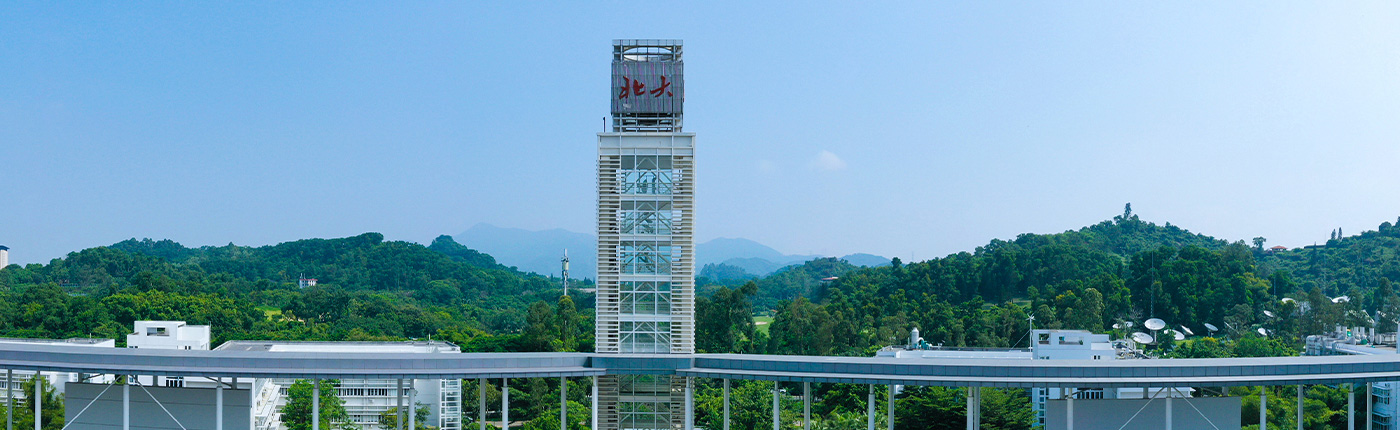
Our faculty includes leading scholars recruited from top Chinese universities and international institutions such as Harvard, Cambridge, and TU Dresden. Over the past decade, SAM has trained more than 500 doctoral and master's students and produced over 1,080 corresponding-author papers in high-impact journals, along with 8 academic monographs and more than 340 patent filings (210 granted). Faculty have led 275 research projects funded by national, provincial, municipal, and industry sources, and several have been recognized as Highly Cited Researchers or World's Top 2% Scientists, or have received major awards, including the International Battery Association Research Award, the Electrochemical Society (USA) Battery Technology Award, and the China Young Female Scientist Award.
SAM hosts a range of national and provincial research platforms, including the China-Malaysia AI + Materials “Belt and Road” Joint Laboratory and the International Joint Research Center for Electric Vehicle Power Battery and Materials, a Ministry of Science and Technology. Our laboratories offer advanced computational and experimental platforms, with a full suite of characterization tools—TEM, FIB, SEM, XPS, XRD, XRF, AFM, and TG/DSC. We also operate the Peking University High-Resolution Neutron Spectrometer at the China Spallation Neutron Source. Completed in late 2023 (CN¥170 million) and achieving first beam in July 2024, it is China's first ultra-high-resolution neutron diffractometer at the international forefront, enabling precise structural analysis and accelerating breakthroughs in materials science.
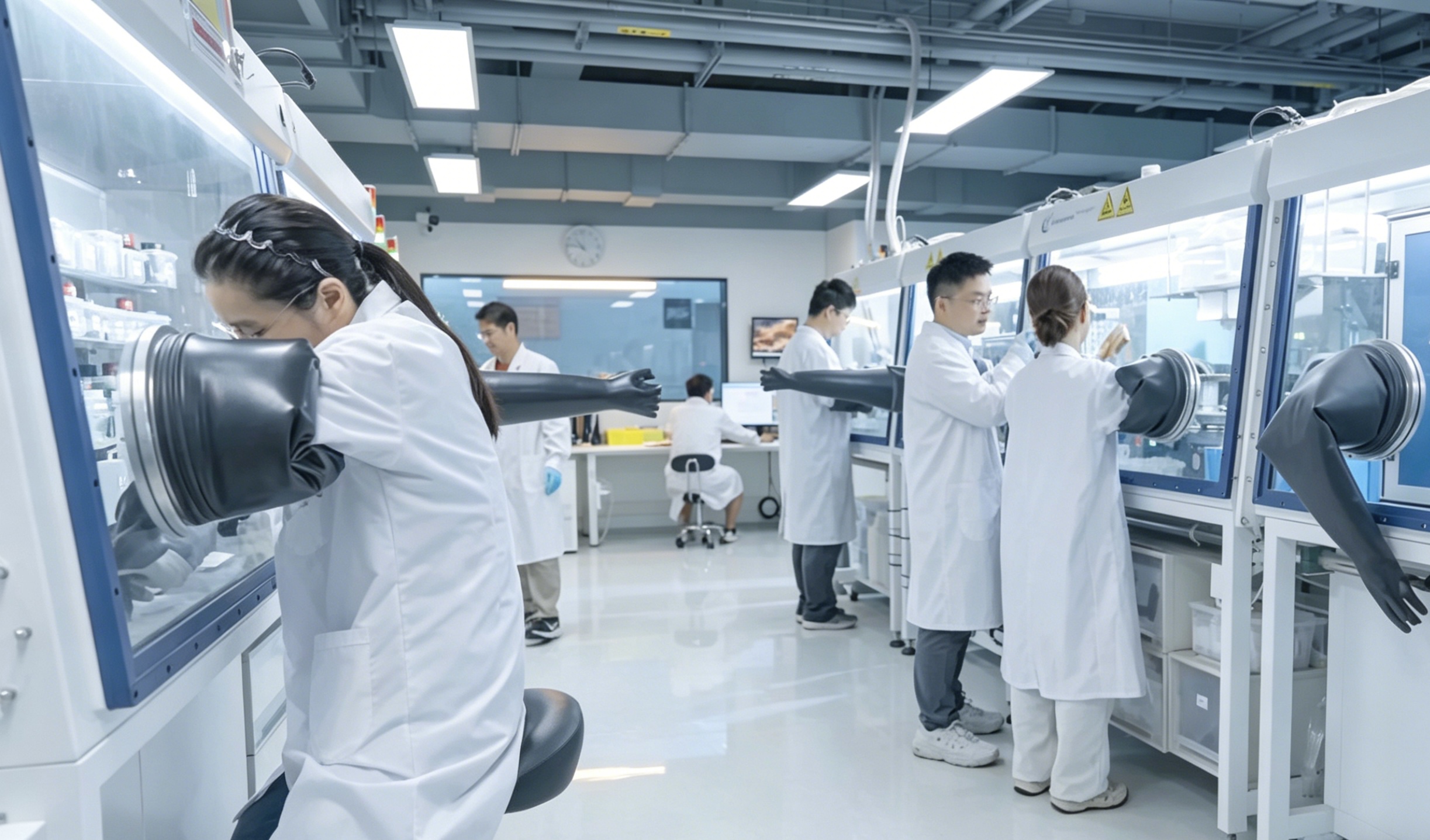
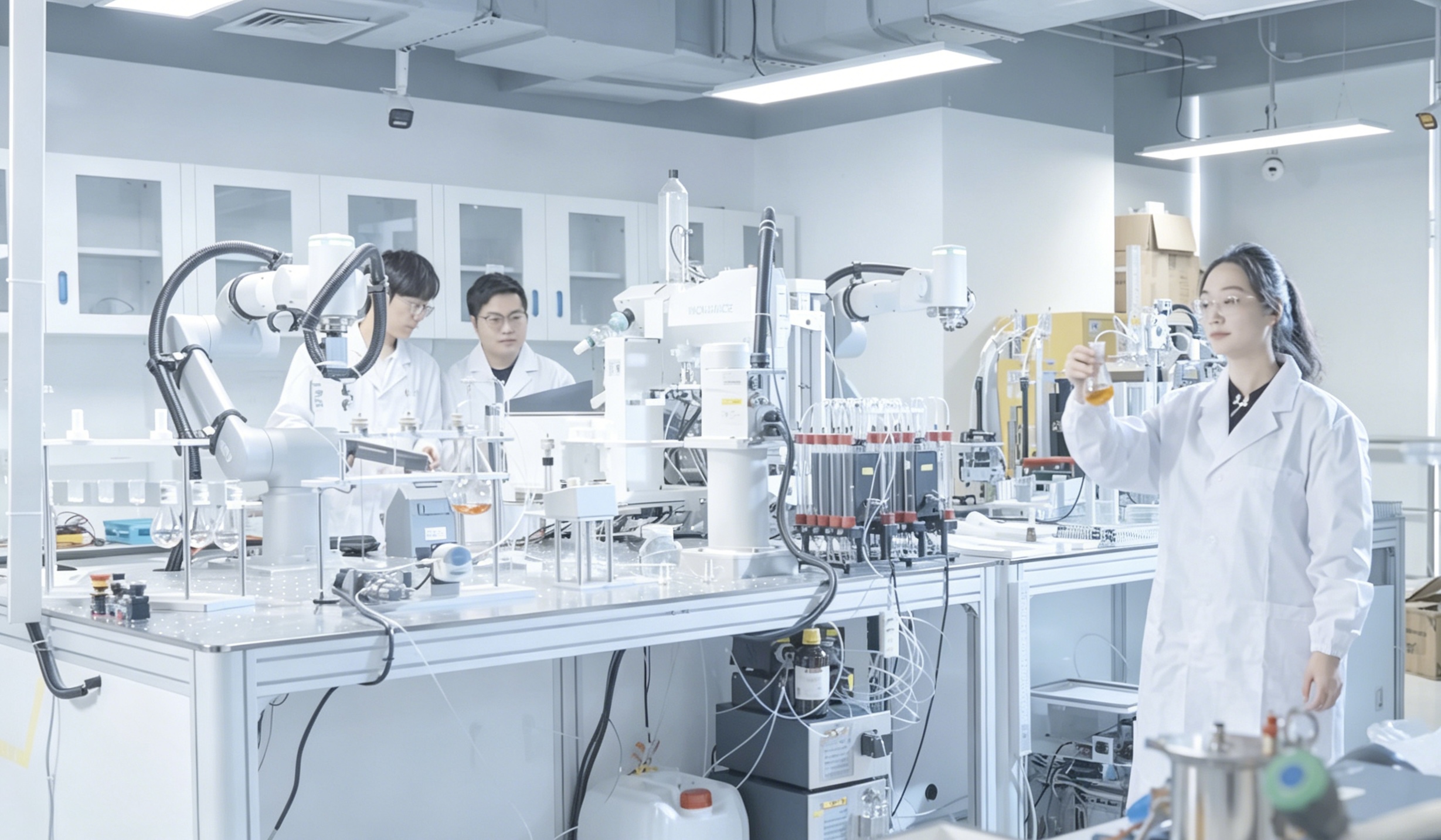
As a student here, you can specialise in any of our three research areas. Master's students work under dual mentorship—an academic supervisor and an industry mentor—applying their skills through internships and hands-on projects. PhD students pursue independent research within faculty research groups, publishing in leading journals and presenting at major international conferences. Located in the heart of the Guangdong–Hong Kong–Macao Greater Bay Area, SAM connects students to international research collaborations, academic lectures and conferences, and the region's broader industrial ecosystem—keeping them at the forefront of the field. We would love to welcome talented international students, researchers, and faculty to join our community.





Room 409, 4/F, Building D2, Nanshan Zhiyuan Phase II, Taoyuan Subdistrict, Nanshan District, Shenzhen 518055, P.R. China
0755-26038230
sam-admissions@pku.edu.cn

Copyright © 2025 BETWAY·必威西汉姆联(中文)官方网站-West Ham United Powered By https://www.gshmdpq.com ICP备案编号:粤ICP备12081285号